It’s time to close the gap in medical research
The NORA Fund is a Nordic philanthropic research fund bringing together leading researchers, philanthropists and the public voice – to enable the research women need.
We mobilise long-term funding
We’re building a sustained source of private philanthropic capital for women’s health research, complementing public investment and supporting work beyond political priorities and individual funding cycles.
We identify critical needs
Working with experts across disciplines and Nordic countries, we identify gaps in knowledge and research with the potential to make a meaningful difference. We look beyond individual studies to the shared data, infrastructure and collaboration that enable progress across the field.
We build a movement for women’s health research
We build a shared Nordic movement and infrastructure that mobilises women’s voices and participation in research. A movement that makes the foundations of future progress feel tangible, compelling and worth supporting - and lives beyond individual projects and funding cycles.
Our scientific committee
-
![]()
Alkistis Skalkidou
SCIENTIFIC COMMITTEE
Professor in Obstetrics and Gynecology
Uppsala University -
![]()
Angelica Hirschberg
SCIENTIFIC COMMITTEE
Professor in Obstetrics and Gynecology
Karolinska Institutet -
![]()
Kristina Gemzell Danielsson
SCIENTIFIC COMMITTEE
Professor in Obstetrics and Gynecology
Head of Department
Karolinska Institutet -
![]()
Henriette Svarre
SCIENTIFIC COMMITTEE
Chief Physician and Professor in Obstetrics and Gynecology at Amager and Hvidovre Hospital and University of Copenhagen
-
![]()
Hanne Haslene-Hox (PhD)
SCIENTIFIC COMMITTEE
Senior Research Scientist
SINTEF -
![]()
Helene Larsen (PhD)
SCIENTIFIC COMMITTEE
Former Head of DTU Health Tech
Danish Technical University -
![]()
Hilde Færevik (PhD)
SCIENTIFIC COMMITTEE
Special Advisor
Health & Life Sciences
Innovation Norway -
![]()
Aura Pyykönen (MD, PhD)
SCIENTIFIC COMMITTEE
Obstetrics and Gynecology
Founder of Isla Health -
![]()
Lasse Gliemann
SCIENTIFIC COMMITTEE
Deputy Head of Department and Associate Professor of Cardiovascular Physiology
University of Copenhagen -
![]()
Martin Vesterby (MD, PhD)
SCIENTIFIC COMMITTEE
Senior Specialist
Head of Crisis Resilience and Health Innovation
Danish Technological Institute -
![]()
Ofra Castro Wersäll (MD, PhD)
SCIENTIFIC COMMITTEE
Obstetrics and Gynecology
Founder of EndoGyn and EndoHealth -
![]()
Ulrik Bak Kirk
SCIENTIFIC COMMITTEE
Chief Consultant
Research Unit for General Practice
Århus University

The Nordics are uniquely positioned to drive the breakthroughs needed to close the women’s health gap. But public funding alone will not be enough.
Wait, what health gap?
25%
51%
of the global population
are women
6%
90% of that funding is concentrated in women’s cancers, reproductive and maternal health.
What it really means…
Women and men do not have the same opportunities to live a healthy life
…because medical research has neglected the female body.
A fundamental knowledge gap…
For decades, medical research has disproportionately focused on male biology, with findings assumed to apply equally to women. Science is now finally challenging these long-held assumptions, revealing that differences between male and female biology go far beyond hormones - they extend to the genetic and cellular level.
At the same time, conditions that affect women exclusively (such as endometriosis and menopause) or disproportionately (such as Alzheimer’s and autoimmune diseases) have long been under-researched and underfunded relative to their disease burden, shaped by longstanding assumptions about what matters in health and medicine.
…with consequences far beyond science
For many conditions affecting women, the lack of validated biomarkers, reliable clinical endpoints and sufficient biological data makes new treatments harder to develop and test, and also harder for investors to assess leading to perceptions of higher risk and lower potential returns. The result is a self-reinforcing cycle: limited evidence holds back investment, while limited investment prevents the research and innovation needed to close the evidence gap
Breaking the cycle requires philanthropic, public, and commercial capital to work together
- with philanthropy playing a unique role in funding the research and infrastructure, laying the foundations for future innovation.
Women experience adverse drug reactions twice as often as men
Yet many medicines in use today were developed with men as the norm, and clinical trials still do not always report differences by sex.
Endometriosis is as common as diabetes
Yet research receives a fraction of the funding, and we still do not fully understand what endometriosis is.
Women have twice the lifetime risk of Alzheimer’s disease
Yet many models that estimate the risk of developing the disease omit factors specific to women.
Women are
50% more likely to be misdiagnosed during a heart attack
Yet men have long been the norm in the research that informs how heart attacks are diagnosed and treated.
All women – 51% of the population – go through menopause
Yet we still do not fully understand why menopause symptoms occur and vary.
Four in five people living with an autoimmune disease are women
Yet researchers are only now beginning to understand how genetic differences between women’s and men’s cells shape our immune systems.
Join a Nordic community of philanthropists and catalytic funders - building a deeper understanding of women’s health and finding meaningful ways to fund progress.
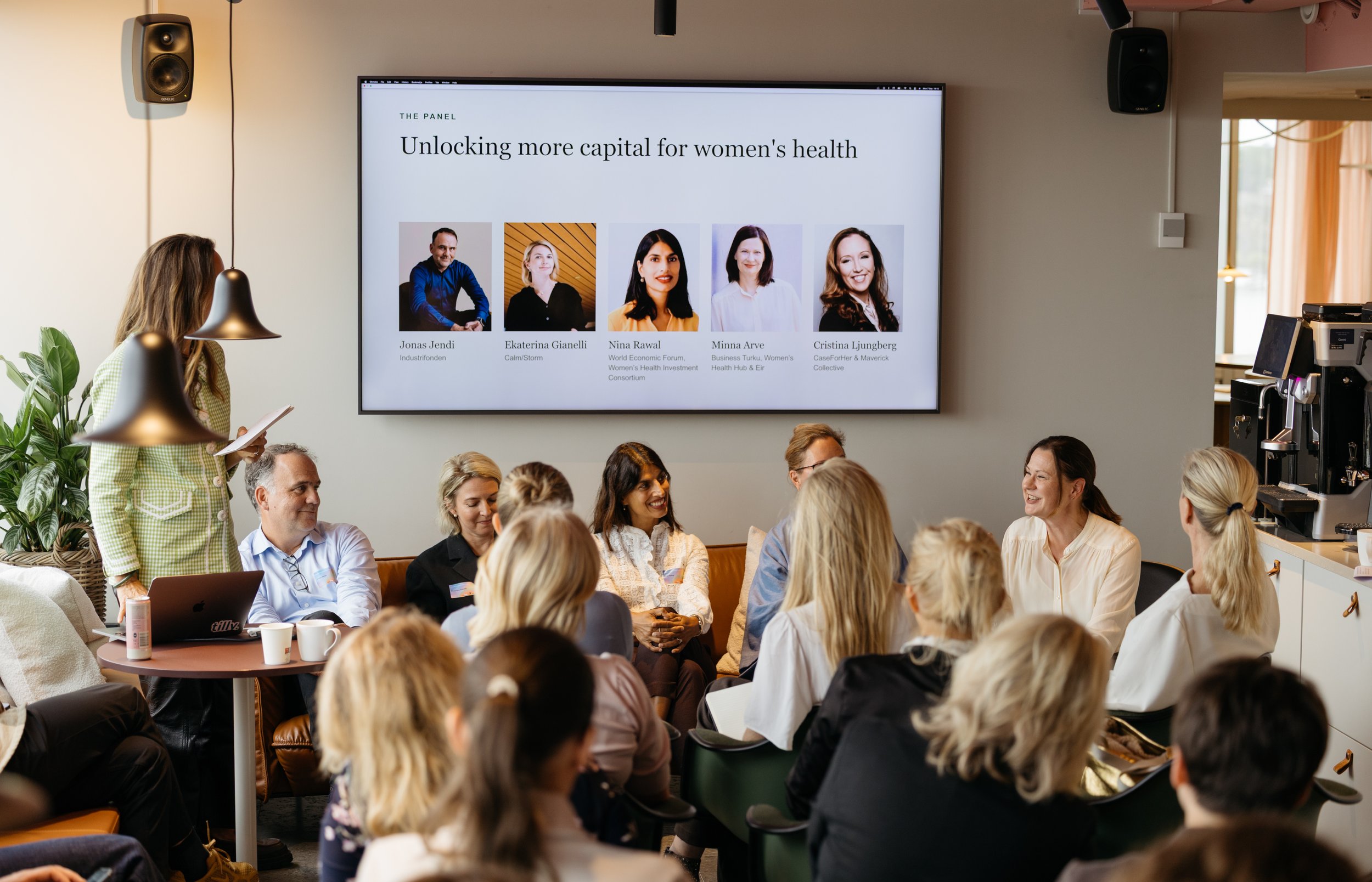
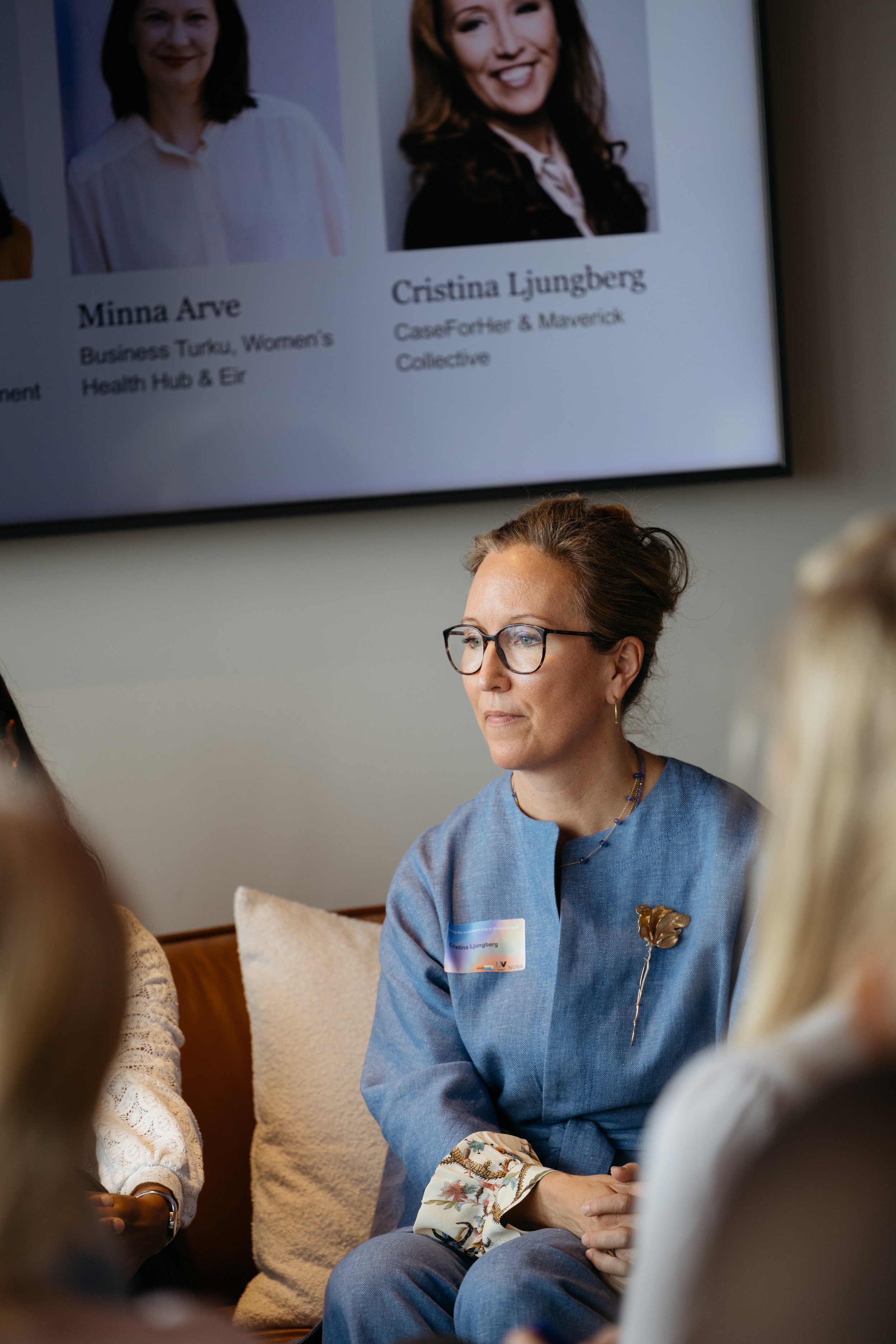
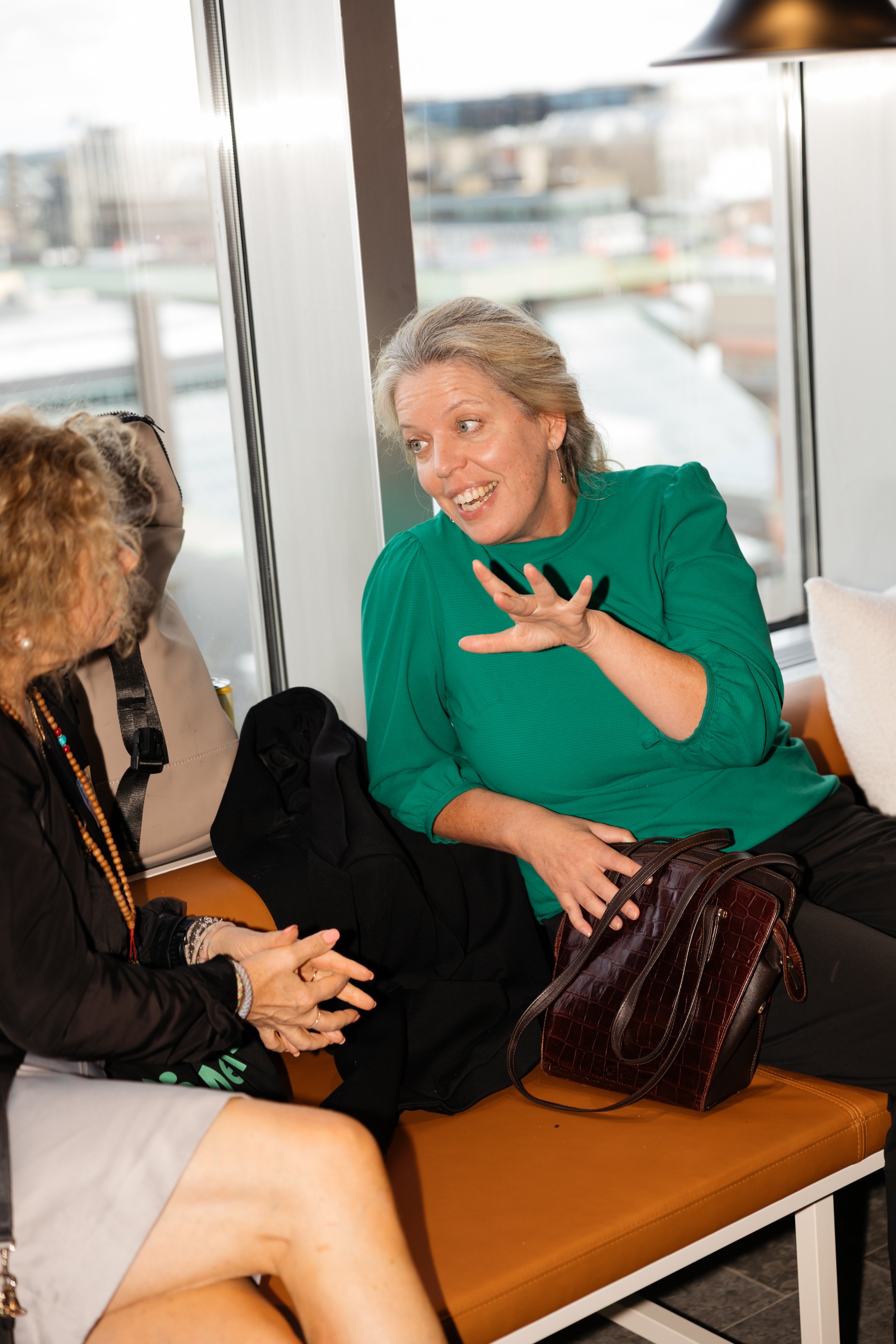
Connect with other funders, researchers, healthcare leaders and innovators, and explore where philanthropic capital can unlock progress - from research and shared infrastructure to initiatives that bridge the gap to commercialisation and fall outside traditional funding models.

In action
-
![A woman with blonde hair speaking at a podium during a public event, with blurred colorful lights in the background.]()
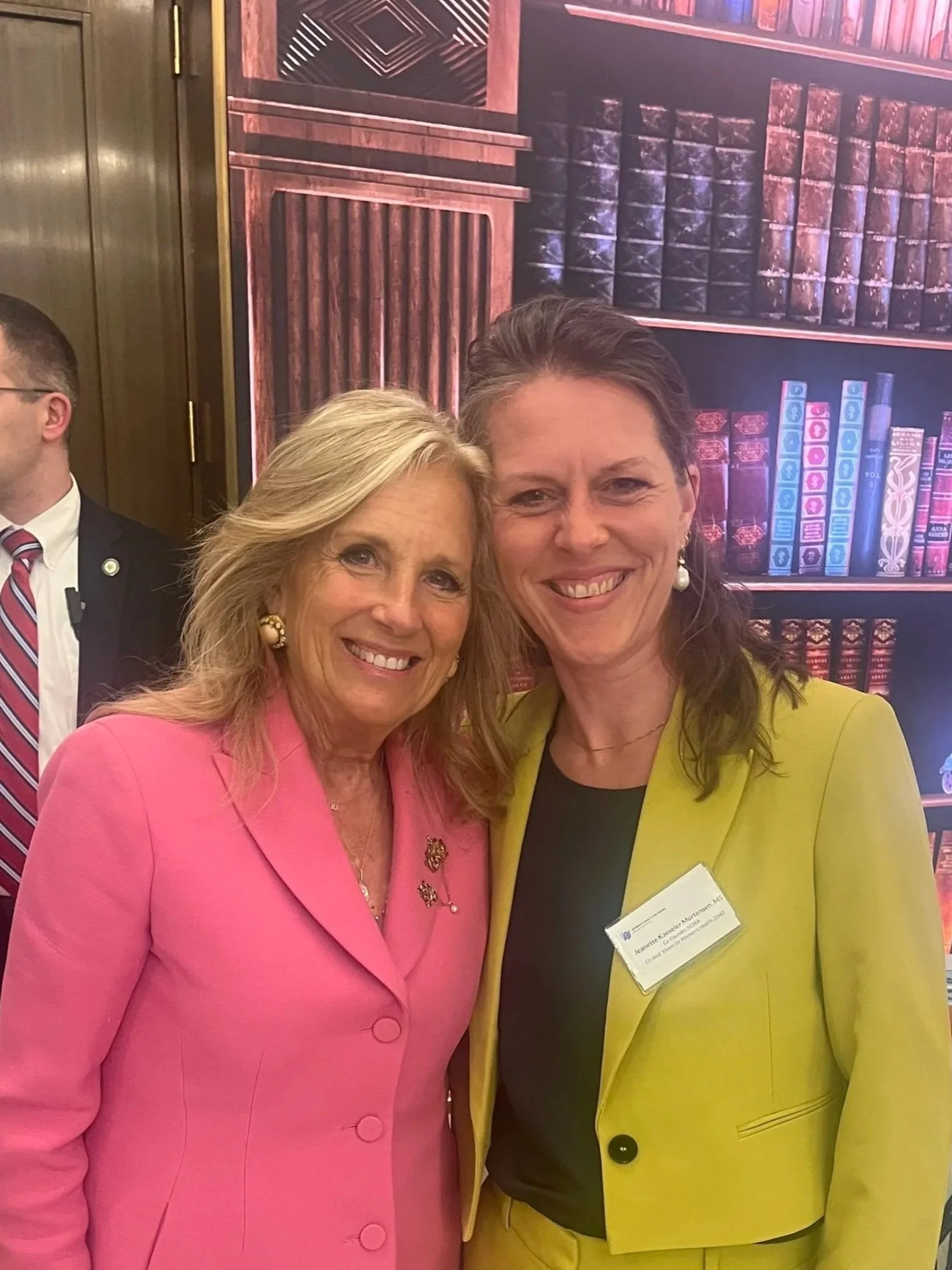
Meeting Jill Biden at The Milken Institute, Washington
NORA’s co-founder Jeanette Kæseler has been invited to the Milken Institute Women’s Health Network Steering Committee meeting in Washington, DC on April 13 2026, chaired by Jill Biden.
Jeanette joined global leaders in a closed session to shape the future of women’s health and present a Nordic Brief to inspire new collaborations.
-
![]()
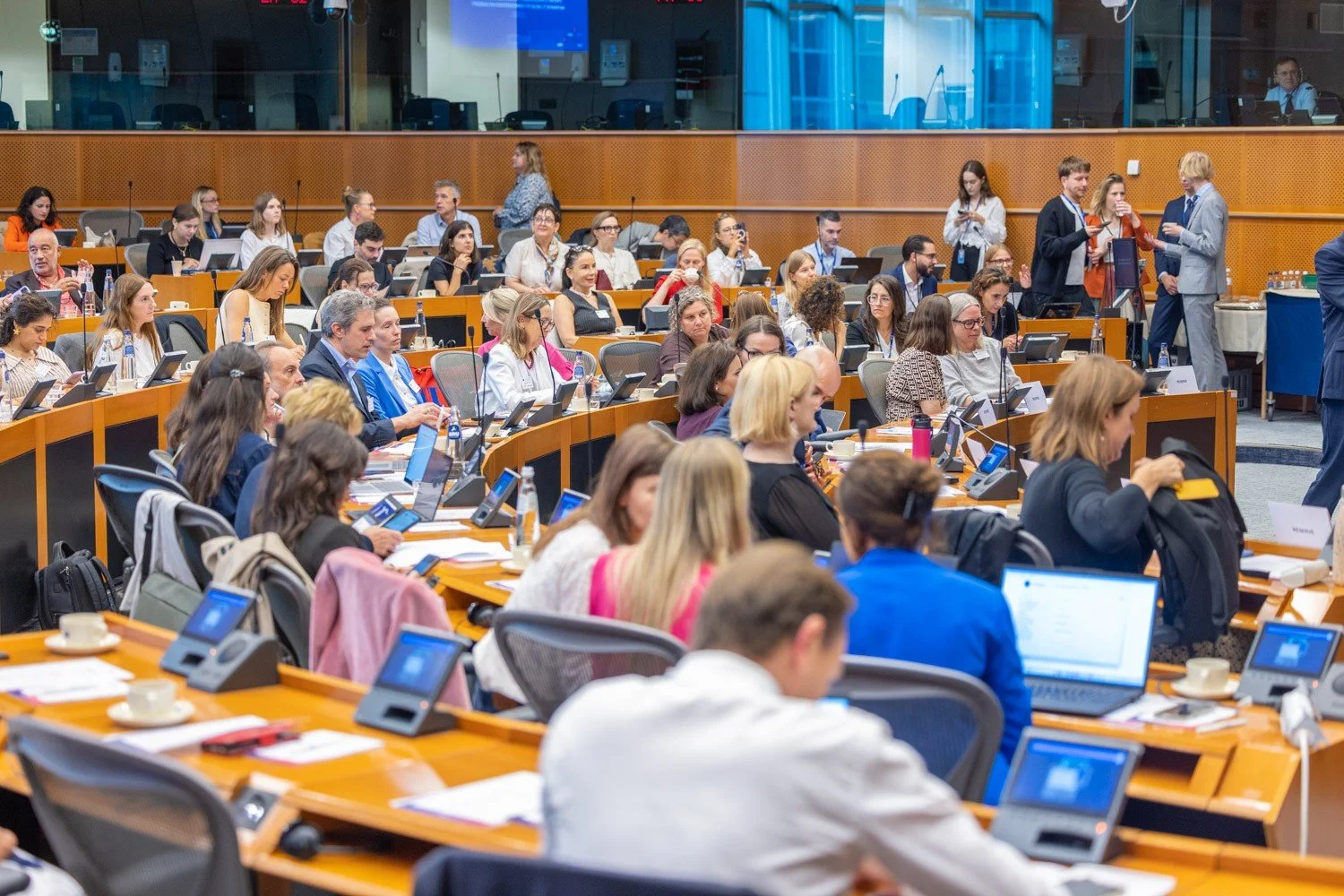
Building Scalable Solutions Across Women’s Health, European Parliament
On 1 October 2026, Anna Sane was invited to join From Challenges to Action: Scaling Women’s Health Innovation in Europe at the European Parliament, organised by Vice-President Ewa Kopacz and the European Innovation Council and SMEs Executive Agency (EISMEA) to discuss concrete actions needed to unlock more innovation in women’s health.
-
![]()
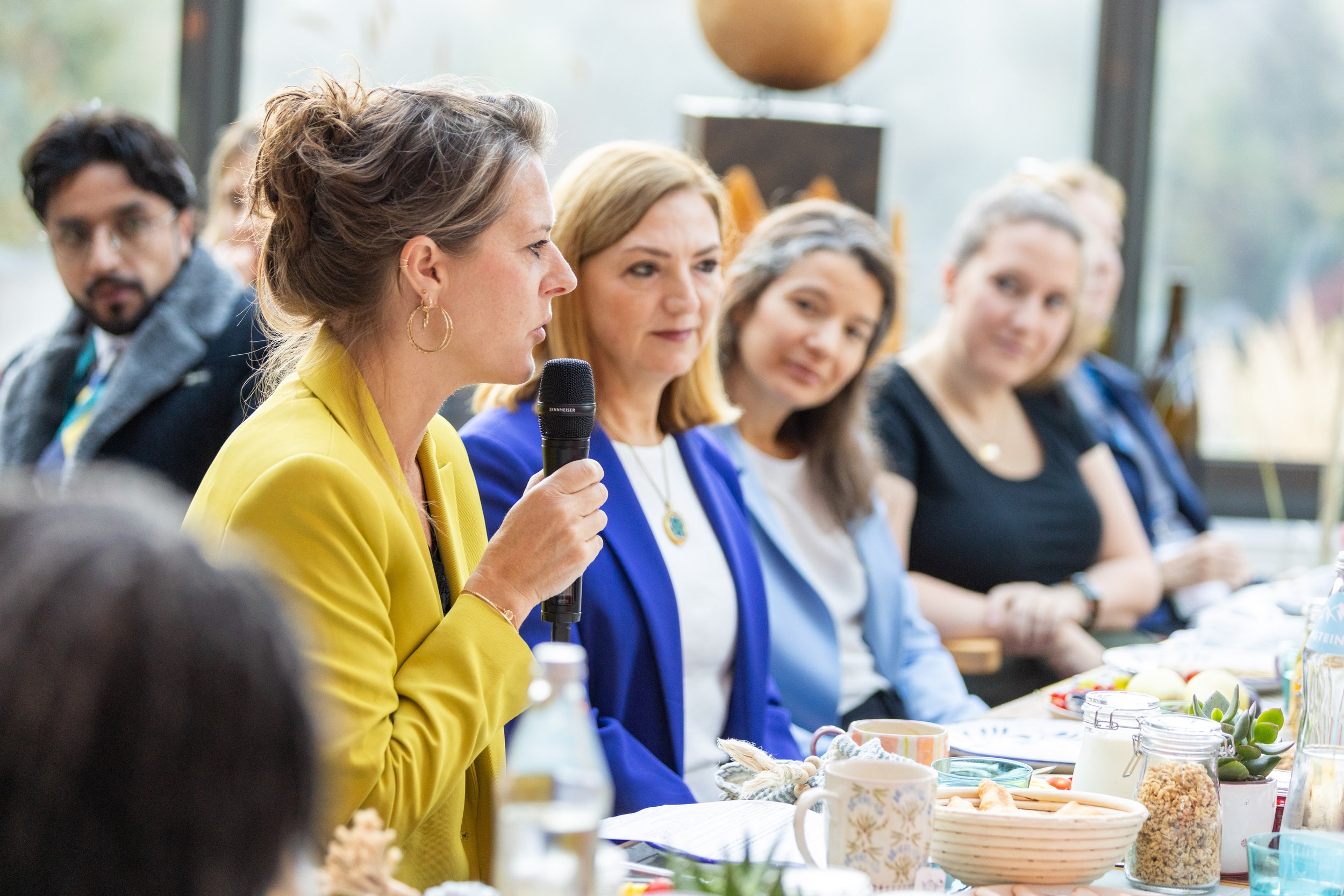
European Health Forum Gastein, Austria
This year’s European Health Forum Gastein centred on the theme “Health for a stronger European Union - high time for action!”. Jeanette Kæseler from NORA brought a Nordic perspective to the European health-policy conversation, sharing key insights from the Nordic Charter for Women’s Health 2040 with Austrian Minister of Health Korinna Schumann.
Together, Jeanette, Ilona Kickbusch and Magda Robalo created a new format; the “sunrise chat” to explore shared challenges and differences in women’s health across the Global North and South.
-
![]()
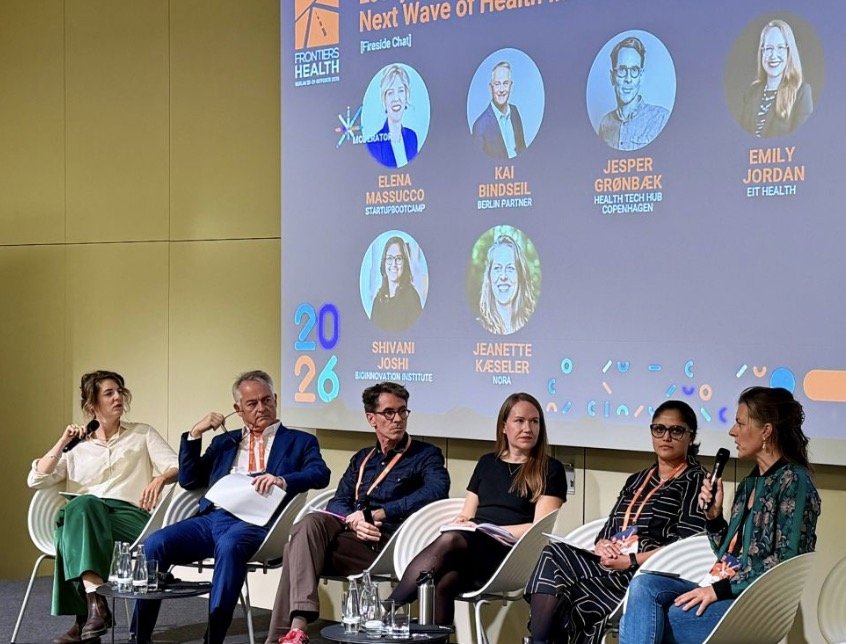
Frontiers Health, Berlin
On October 20–21 2026, NORA’s co-founder Jeanette Kæseler took part in a panel discussion on Ecosystems in Action: How Europe Is Powering the Next Wave of Health Innovation. As part of Frontiers Health’s Innovation Gathering, the session brought together leading founders, investors, corporates and ecosystem builders to explore the future of health innovation in Europe.
-
![]()
Launch of Int. ISO standard, UN City, Copenhagen
On September 23 2026, NORA’s co-founder Jeanette Kæseler joined a panel at the UN City Copenhagen for the launch of an international ISO standard on menstrual health and menopause, developed by Danish Standard.
The panel’s is headline was “Who owns the responsibility?”, and Jeanette discussed the shared responsibility with policymakers and employers to ensure that women receive the information, support and care they need throughout a life course.
-
![]()
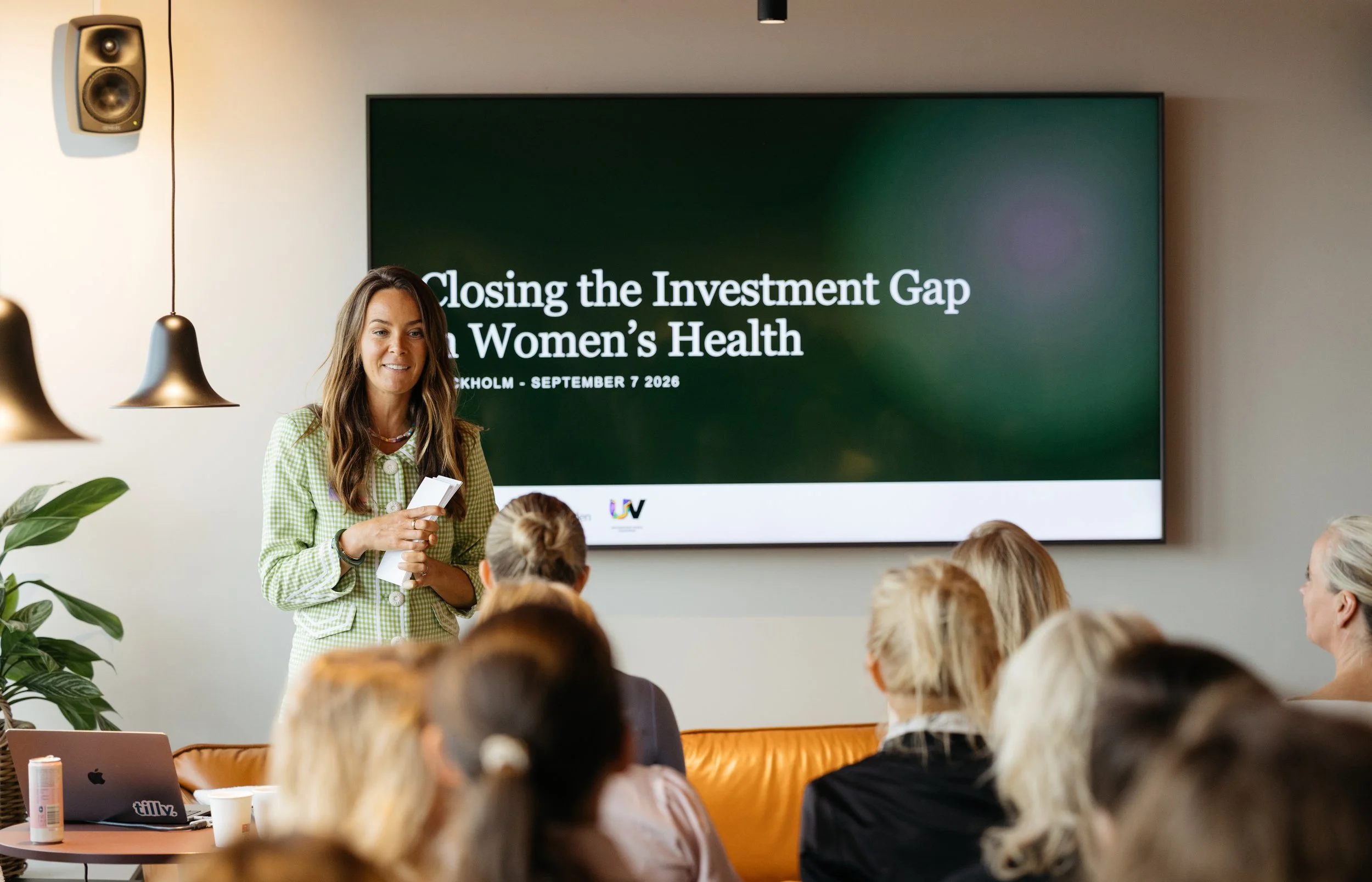
Closing the Investment Gap in Women's Health, Stockholm
On September 7, 2026, we joined forces with Industrifonden and Unconventional Ventures to bring together funders – from philanthropists to venture capital investors – alongside researchers, innovators and key voices from across the Nordic ecosystem.
The event marked the starting point for the Nordic Funder Collaborative, sparking a concrete discussion on how better coordination across different forms of capital can help close funding gaps, unlock innovation and accelerate progress in women's health.
-
![Group of nine people standing behind a conference table on a TV set with purple screens and wooden panel wall background.]()
WHO Webinar on International Women’s Day
On 5 March, World Health Organization hosted the event Rights. Justice. Action. For ALL Women and Girls.
NORA’s co-founder Jeanette Kæseler was a speaker - together with representatives from UNICEF, UN Women, UNFPA and several European ministries of health - presenting Nora and the Nordic vision for women’s health that she embodies.
-
![Group of diverse women and men standing together in front of a UN City Copenhagen backdrop, smiling at a conference or event.]()
Meeting UNFPA's Executive Director Diene Keita
In February 2025, NORA met the Executive Director of UNFPA, Diene Keita, at the UN City in Copenhagen to discuss UN80 and the practical consequences for millions of women and girls around the world.
The message from Diene was clear: "It is time for collaboration. In times of geopolitical volatility, we cannot let noise distract attention from the health of 51% of the population.”
-
![A woman is giving a presentation in a well-decorated room with a large screen displaying the word 'DO' and a glass of water on a small table.]()
Nordic Charter Launch co-hosted by The Nordic Council of Ministers
In December 2025 the Nordic Charter for Women’s Health 2040 was launched together with the Nordic Council of Ministers, and NORA’s co-founder Anna Sane spoke among the Nordic Women’s Voices.
Her core message echoed Melinda French Gates's hopes for 2026: that “it’s time to take the momentum women’s health has finally gained and turn it into lasting change” - or, as Anna put it, it’s time for DOing.
-
![A colorful illustration of multiple women's faces in profile, with the text overlay 'The Nordic Charter for Women's Health 2040'.]()
The Nordic Charter for Women's Health 2040
The 2040 Nordic Charter for Women’s is a strategic framework designed to transform women’s health from a niche concern into a cornerstone of Nordic social and economic resilience. Resulting from the collective insight of over 130 contributors across Denmark, Norway, Sweden, Finland, and Iceland. This document moves beyond aspiration to outline a concrete infrastructure for systemic change. Download it here.
-
![A group of professional women and men seated and listening attentively at a conference or seminar in an elegant room with columns and ornate ceiling details.]()
Nordic Women’s Health Investor Summit 2026
The Nordic Women’s Health Investor Summit brought together innovators, investors, researchers, and industry leaders to discuss how to close the investment gap in women’s health.
NORA's advisor, Ruth Bränvall, spoke in the panel debate on "Risk-Willing Capital in Women’s Health: Where are we headed and what does it mean for the Nordics?"
-
![A large group of women and a few men seated in a historic hall during a conference or event. The hall features large murals, marble columns, and wooden furnishings, with a podium at the front.]()
Vision 2040 Workshop at the Danish Parliament
In September 2025, 136 women’s health experts from across the Nordics, gathered at the Danish Parliament to co-create a vision for women’s health 2040.
Initiated by NORA’s co-founder Jeanette Kæseler, the process was a strategic partnership between The Nordic Women’s Health Hub, The Copenhagen Institute for Futures Studies, Business Turku, Innovation Norway and Initiatior Pharma. The resulting framework is now published in the Lancet.